
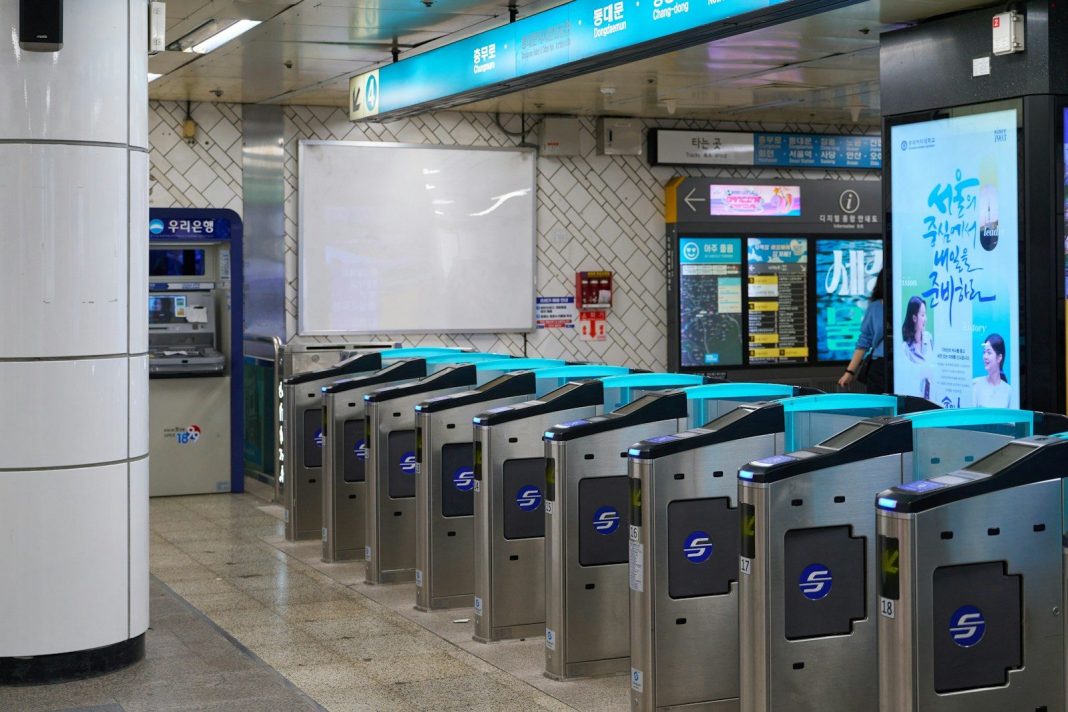
Not long ago, attending an event meant holding onto a physical ticket—sometimes tucked safely into a wallet, sometimes nervously checked again and again to make sure it wasn’t lost. Today, that ritual has largely been replaced by something far more streamlined: the QR code. With a quick scan of a smartphone screen, thousands of people can enter concerts, conferences, and festivals with remarkable efficiency. While it may seem like a simple technological upgrade, QR code entry has quietly transformed the entire event experience for both organizers and attendees.
At its core, a QR (Quick Response) code is a type of barcode that can store information in a square pattern of black and white modules. When scanned by a device—usually a smartphone or a dedicated scanner—it instantly reveals the encoded data. In the context of event tickets, this data typically includes a unique identifier linked to a specific ticket holder. That identifier acts as a digital key, granting access to the event once verified.
What makes QR codes particularly powerful is their ability to combine simplicity with security. From the attendee’s perspective, the process is almost effortless. After purchasing a ticket online, the QR code is sent via email, mobile app, or digital wallet. On the day of the event, the attendee simply presents the code at the entrance, where it is scanned in seconds. There is no need for printing, no risk of forgetting a physical ticket at home, and no fumbling through pockets or bags at the gate.
For event organizers, however, the benefits go far beyond convenience. QR code entry systems provide a level of control and data insight that traditional paper tickets never could. Each scan is recorded in real time, allowing organizers to track attendance, monitor entry flow, and even identify peak arrival times. This information can be invaluable for planning future events, improving crowd management, and enhancing overall efficiency.
One of the most significant advantages of QR code ticketing is its ability to reduce fraud. Paper tickets can be duplicated, forged, or resold multiple times without detection. QR codes, on the other hand, are typically tied to a centralized database. Once a code is scanned and validated, it cannot be used again. This prevents duplicate entry and ensures that each ticket corresponds to a single admission. In some systems, QR codes are even dynamic—meaning they change periodically—adding an extra layer of protection against unauthorized sharing.
The shift to QR code entry has also had a noticeable impact on the speed and organization of event entry points. Large-scale events, such as music festivals or sporting matches, often involve tens of thousands of attendees arriving within a short time frame. In the past, this could lead to long queues and delays as staff manually checked tickets. With QR scanning, the process becomes significantly faster. A quick scan, a confirmation beep, and the attendee moves forward. Multiply that efficiency by thousands, and the difference becomes clear.
Beyond speed, QR code systems also allow for greater flexibility. Tickets can be easily transferred, updated, or reissued without the need for physical exchange. If an attendee cannot attend, they can often transfer their ticket digitally to someone else. If an event is rescheduled, updated QR codes can be sent instantly. This adaptability is particularly valuable in a world where plans can change quickly.
Another often overlooked benefit is the environmental impact. The move away from printed tickets reduces paper usage, ink consumption, and physical waste. While a single ticket may seem insignificant, the cumulative effect across large events is substantial. Digital ticketing aligns with broader efforts toward sustainability, making events not only more efficient but also more environmentally responsible.
Despite its many advantages, QR code entry is not without its challenges. One of the most common concerns is accessibility. Not everyone has a smartphone, and even those who do may encounter issues such as low battery, poor screen visibility, or lack of internet access. To address this, many event organizers provide alternatives, such as printable versions of QR codes or on-site assistance for ticket retrieval. Ensuring that the system remains inclusive is essential for a positive attendee experience.
Technical reliability is another important consideration. A malfunctioning scanner or a system outage can quickly disrupt entry and create frustration among attendees. For this reason, robust infrastructure and backup systems are critical. Many events use offline scanning capabilities, allowing devices to validate QR codes even without an active internet connection. Once connectivity is restored, the data is synchronized with the central system.
Security, while generally improved with QR codes, still requires careful management. Sharing screenshots of QR codes, for example, can lead to unauthorized use if not properly controlled. To mitigate this, some platforms link tickets to individual identities or require additional verification steps, such as matching names or using mobile apps with secure login features. Balancing security with user convenience remains an ongoing challenge.
The integration of QR code entry with mobile applications has further expanded its capabilities. Many event apps now serve as central hubs for attendees, combining tickets, schedules, maps, and updates in one place. The QR code becomes just one part of a broader digital experience. Attendees can receive notifications about schedule changes, discover new activities, and even interact with other participants—all through the same platform.
In addition, QR codes are increasingly being used beyond entry points. Inside events, they can facilitate cashless payments, access to exclusive areas, or participation in interactive activities. For example, scanning a QR code at a booth might unlock special content, enter a contest, or provide information about a product or performance. This versatility turns the QR code into more than just a ticket—it becomes a gateway to a richer experience.
From a logistical standpoint, QR code entry also simplifies staffing and operations. Fewer personnel are needed to manage ticket checks, and training requirements are reduced. Staff members can focus more on assisting attendees and ensuring safety rather than handling manual verification. This shift can lead to a more welcoming and organized environment overall.
Looking ahead, the role of QR codes in event ticketing is likely to continue evolving. As technology advances, we may see deeper integration with biometric systems, personalized experiences, and even more secure authentication methods. However, the fundamental appeal of QR codes—their speed, simplicity, and efficiency—will likely remain at the heart of their use.
For attendees, understanding how QR code entry works can enhance the event experience. Knowing to keep devices charged, having tickets readily accessible, and arriving prepared can help ensure a smooth entry process. For organizers, continued attention to accessibility, security, and reliability will be key to maintaining trust and satisfaction.
In many ways, the adoption of QR code entry reflects a broader shift toward digital convenience in everyday life. Just as boarding passes, payments, and communication have moved to smartphones, event tickets have followed suit. What once required careful handling of paper has become a seamless digital interaction.
Yet, beyond the technology itself, the goal remains the same: to bring people together. Whether it’s a concert, a conference, or a community gathering, the purpose of an event is the shared experience it creates. QR codes simply make it easier to access that experience, removing barriers and streamlining the journey from arrival to participation.
As attendees walk through gates with a quick scan and a brief beep, they may not think much about the system behind it. But that small square of code represents a significant evolution in how events are organized and experienced. It is a quiet innovation—one that has reshaped the entry process without overshadowing the moments that truly matter once inside.