
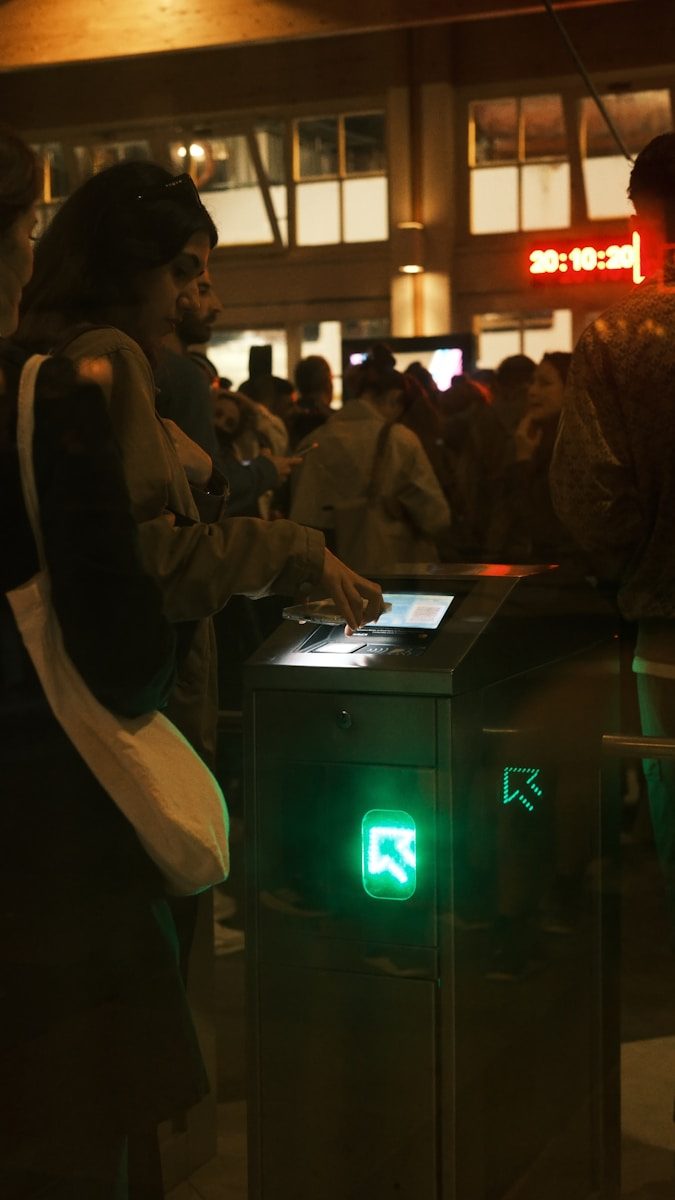
There’s a special kind of excitement that builds before a concert or festival. The anticipation starts days before—choosing outfits, planning meetups, replaying favorite songs—and peaks the moment you arrive at the venue. But for many people, that excitement quickly meets a familiar obstacle: long, slow-moving entry lines. Instead of stepping into music and energy, you’re stuck waiting, checking your watch, and hoping you don’t miss the opening act.
The truth is, getting into large events doesn’t have to feel like a test of patience. With the right preparation and a few practical habits, you can move through entry points efficiently and start enjoying the experience sooner. Fast entry isn’t about luck—it’s about knowing how these events operate and positioning yourself one step ahead of the crowd.
Start Before You Even Leave Home
Fast entry begins long before you arrive at the venue. Many delays happen because people show up unprepared, fumbling with tickets, bags, or required items at the gate. Taking a few minutes to organize everything beforehand can save a surprising amount of time.
First, make sure your ticket is easily accessible. If it’s digital, download it or take a screenshot in case internet service is slow or unavailable at the venue. Relying on email searches or loading apps at the gate can hold up not just you, but everyone behind you.
If your event requires identification, vaccination proof, or other documents, keep them together in one place. Think of it like preparing for airport security—having everything ready before you reach the checkpoint makes the process smoother for everyone.
Understand the Venue Layout
Many people assume all entrances are the same, but that’s rarely true. Large venues often have multiple entry points, and some are significantly less crowded than others.
Before the event, check the venue map or event website to see where entrances are located. Some gates may be closer to public transportation, which usually makes them busier. Others might require a short walk but offer much faster access.
Taking a few extra minutes to approach a quieter entrance can easily save you half an hour or more. It’s one of the simplest ways to avoid the heaviest lines.
Timing Is Everything
One of the biggest mistakes people make is arriving at the same time as everyone else. There are predictable peaks when crowds surge—typically right before the main act or headline performance.
If you arrive earlier than most attendees, you’ll often experience shorter lines, quicker security checks, and a calmer environment. Early entry also gives you time to explore the venue, grab food or drinks, and settle in without feeling rushed.
On the other hand, arriving too late can create unnecessary stress. You may face long lines just as the event is starting, which increases the chances of missing important moments.
Finding that balance—early enough to avoid crowds but not excessively early—can make your entry experience far more pleasant.
Travel Light to Move Faster
Security checks are one of the main reasons entry lines slow down. Bags need to be inspected, and the more items you carry, the longer it takes.
Bringing only what you truly need can speed up your entry significantly. Many events even have specific bag policies, limiting size or requiring clear bags. Ignoring these rules can result in delays or even being turned away at the gate.
A small, organized bag—or no bag at all—is often the fastest option. Keep your essentials minimal and easy to access so security staff can check them quickly.
Choose the Right Line
Not all lines move at the same speed, even if they appear similar at first glance. Observing for a moment before committing to a line can make a big difference.
Look for lines where people seem prepared—tickets ready, bags open, and documents in hand. Lines filled with people searching through bags or struggling with apps tend to move more slowly.
Also, pay attention to staff efficiency. Some entry points are managed more smoothly than others. If one line appears to be moving consistently faster, it’s worth adjusting your position.
This small act of awareness can save time without requiring any extra effort.
Use Dedicated Entry Options
Many events now offer different entry tiers, such as VIP access, early entry passes, or express lanes. While these options often come at an additional cost, they can significantly reduce waiting time.
If fast entry is a priority—especially for high-demand events—it may be worth considering these upgrades. They not only shorten your wait but can also provide a more relaxed entry experience overall.
Even general admission ticket holders should check if there are separate lines for mobile tickets, printed tickets, or specific seating sections. Choosing the correct line ensures you don’t accidentally slow yourself down.
Coordinate With Your Group
Entering with friends can be fun, but it can also slow things down if everyone isn’t prepared. Groups often cause delays when one person isn’t ready or needs to reorganize their belongings at the last minute.
Before reaching the entrance, take a moment to ensure everyone has their tickets ready and understands the plan. Decide whether you’ll enter together or split up to move faster and meet inside.
Clear communication helps avoid confusion and keeps the group moving smoothly through the entry process.
Be Ready for Security Procedures
Security checks are an essential part of large events, and being prepared for them can make a noticeable difference in how quickly you get inside.
Follow instructions from staff and be proactive. Remove items from your pockets if required, open your bag in advance, and cooperate with any screening procedures.
People who hesitate or resist instructions often create bottlenecks. Moving confidently and respectfully through security not only speeds things up for you but also for everyone else in line.
Keep an Eye on Updates
Event organizers sometimes provide real-time updates about entry conditions, gate changes, or crowd levels. These updates are often shared through official apps, social media, or text notifications.
Checking for updates before and during your arrival can help you avoid unexpected delays. For example, if one entrance becomes overcrowded, organizers may recommend alternative gates.
Staying informed allows you to adjust your approach and maintain a smoother entry experience.
Stay Calm and Flexible
Even with the best preparation, things don’t always go exactly as planned. Lines may move slower than expected, weather conditions can change, or technical issues might arise.
Maintaining a calm mindset helps you adapt without frustration. Stressing about delays rarely speeds things up—in fact, it often makes the experience feel longer and more exhausting.
Remember that everyone around you is there for the same reason: to enjoy the event. A little patience and flexibility go a long way in keeping the atmosphere positive.
Make Entry Part of the Experience
It’s easy to view the entry process as something to get through as quickly as possible, but it can also be part of the overall experience. The energy of the crowd, the anticipation in the air, and the shared excitement can be enjoyable if you’re not overwhelmed by stress.
When you’ve taken the right steps to minimize delays, you can actually appreciate this buildup rather than dread it. Instead of focusing on the line, you start noticing the music in the distance, the lights, and the sense that something memorable is about to begin.
The Payoff of Being Prepared
Fast entry isn’t just about saving time—it’s about shaping your entire event experience. Getting inside quickly means you have more time to explore, better chances of securing a good spot, and less stress overall.
It also sets the tone for the rest of the day or night. Starting with ease and confidence allows you to fully enjoy what you came for, whether it’s a live performance, a festival atmosphere, or simply time spent with friends.
With a little preparation, awareness, and flexibility, you can turn what is often the most frustrating part of large events into one of the smoothest.