
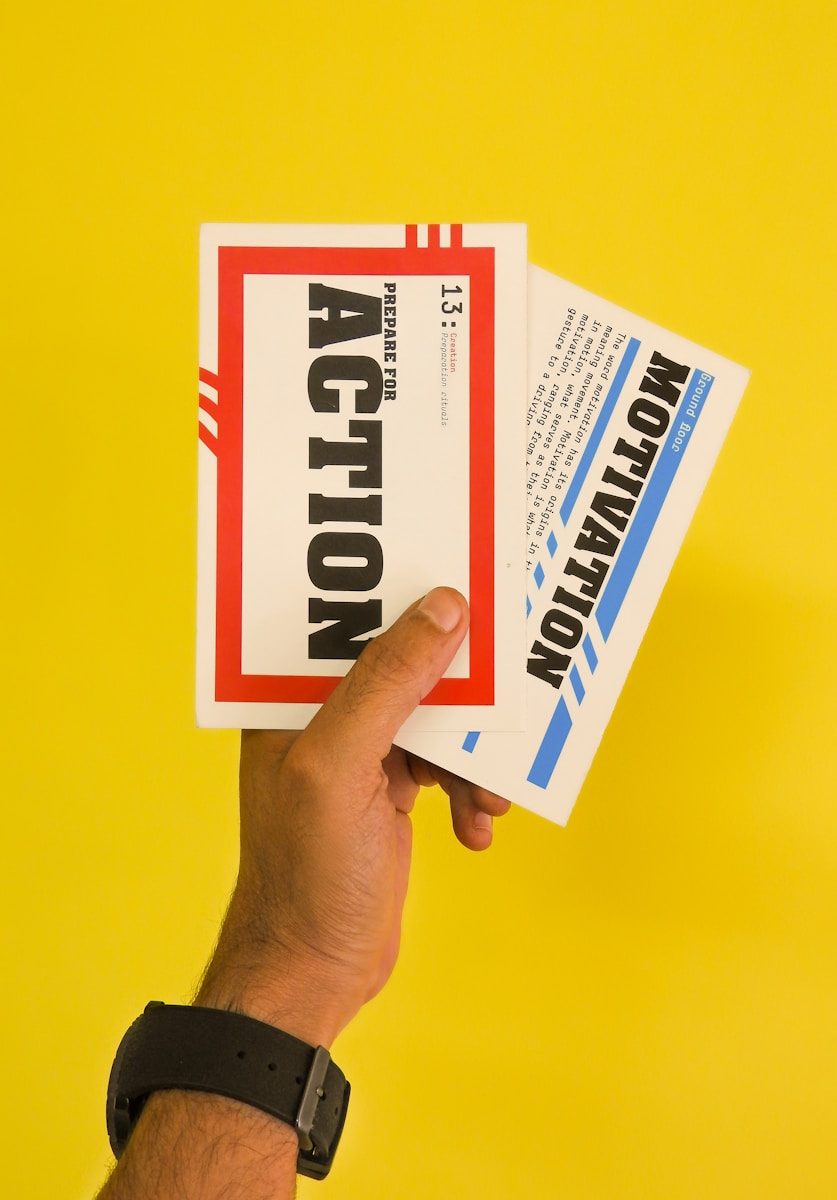
There is a special kind of excitement that comes with preparing for your first major live event. Whether it is a concert, conference, product launch, performance, or large public gathering, the energy of a live audience creates an experience unlike anything else. At the same time, stepping into such a moment for the first time can feel overwhelming. The pressure to deliver, coordinate logistics, and meet expectations can quickly turn excitement into anxiety. However, with thoughtful preparation and a clear plan, your first major live event can become one of the most rewarding experiences of your career.
Preparation begins long before the day of the event. In fact, the most successful live events are often the result of weeks or even months of planning. The first step is understanding the purpose of the event. Ask yourself what the event is meant to accomplish. Is it designed to entertain, educate, promote a brand, or build a community? Defining this purpose early helps guide every decision that follows, from the venue selection to the program schedule.
Once the objective is clear, it becomes easier to define your target audience. A live event should always be designed with its attendees in mind. Consider who will be present and what they expect to experience. For example, a professional conference audience will likely appreciate organized schedules, insightful speakers, and networking opportunities, while a live entertainment event may prioritize atmosphere, lighting, and audience interaction. When you understand your audience, you can tailor every aspect of the event to create a memorable experience.
Another critical step is building a realistic timeline. Large events rarely come together at the last minute. Creating a planning schedule ensures that every task is completed in the correct order. This timeline might include securing a venue, confirming speakers or performers, arranging technical equipment, promoting the event, and coordinating staff. Breaking the process into smaller milestones prevents the workload from becoming overwhelming and helps you track progress as the event approaches.
The choice of venue plays a significant role in shaping the overall atmosphere of your event. When selecting a location, consider factors such as capacity, accessibility, parking, acoustics, and technical infrastructure. A venue that looks impressive but lacks proper sound equipment or stage space can create major complications on event day. Visiting the venue in advance is highly recommended. Walking through the space allows you to visualize how guests will move through the environment and where key activities will take place.
In addition to the physical venue, technical preparation is essential for any major live event. Sound systems, lighting, projectors, screens, microphones, and internet connectivity must all function reliably. Technical issues are among the most common problems that occur during live events, and they can disrupt the entire experience if not properly managed. For this reason, rehearsals and technical run-throughs are extremely valuable. Testing equipment ahead of time allows you to identify and resolve potential problems before the audience arrives.
Equally important is assembling a reliable team. No large event can be managed alone. From stage managers and technical staff to volunteers and coordinators, each team member plays a specific role in ensuring the event runs smoothly. Clear communication with your team is vital. Everyone should understand their responsibilities and know who to contact if issues arise. Many successful event organizers hold briefing meetings before the event begins so that everyone is aligned and prepared.
Promotion and communication are another major part of preparing for a live event. Even the most carefully planned event cannot succeed without an audience. Marketing efforts may include social media campaigns, email announcements, digital advertisements, or partnerships with relevant organizations. The messaging should highlight the value of attending the event and clearly explain details such as the location, time, and registration process. As the event date approaches, consistent communication keeps potential attendees engaged and excited.
While logistical planning is essential, personal preparation should not be overlooked—especially if you are speaking, performing, or presenting during the event. Confidence on stage often comes from practice. Rehearsing your presentation or performance multiple times helps you refine your delivery and manage nervousness. Some presenters even practice in front of friends or colleagues to simulate the experience of addressing an audience. Familiarity with your material allows you to remain calm and focused when the spotlight is on you.
Another useful strategy is visualizing the event day in advance. Imagine walking onto the stage, greeting the audience, and moving through the event schedule smoothly. This mental preparation can reduce anxiety and build confidence. It may seem simple, but many experienced performers and speakers rely on visualization techniques to mentally prepare for live appearances.
Flexibility is also crucial when preparing for a major live event. Despite careful planning, unexpected situations can arise. A speaker might arrive late, equipment might malfunction, or weather conditions could affect attendance. The key is not to eliminate every possible problem—which is impossible—but to develop contingency plans. Having backup microphones, alternative schedule adjustments, or additional staff available can help prevent small issues from becoming major disruptions.
On the day of the event, arriving early is one of the best habits you can adopt. Early arrival provides time to conduct final checks, confirm that all equipment is functioning, and ensure the venue is set up correctly. It also allows your team to review the schedule and make last-minute adjustments if needed. When the audience begins to arrive, you should already feel confident that everything is in place.
During the event itself, maintaining a calm and positive attitude can influence the entire atmosphere. Attendees often take cues from the organizers or presenters. If you remain composed and enthusiastic, the audience will likely feel the same energy. Even if minor problems occur, addressing them calmly and professionally helps keep the event on track.
Engaging with the audience is another key element of a successful live event. People attend live experiences because they want to feel connected to what is happening on stage. Simple gestures such as acknowledging the audience, encouraging participation, or responding to their reactions can make the event feel more personal and memorable.
After the event concludes, the work is not entirely finished. Taking time to evaluate the experience can provide valuable insights for future events. Gathering feedback from attendees, staff members, and partners helps identify what worked well and what could be improved. This reflection process is essential for growth as an event organizer or performer.
Expressing appreciation is also important after the event. Thanking your team, sponsors, speakers, and attendees helps strengthen relationships and leaves a positive impression. In many cases, these connections may lead to future collaborations or opportunities.
Preparing for your first major live event may feel intimidating, but it is also an opportunity to create something meaningful and impactful. Live events bring people together in ways that digital experiences often cannot replicate. The shared energy of a room filled with engaged participants creates moments that linger long after the event ends.
By focusing on careful planning, clear communication, technical preparation, and personal readiness, you can transform uncertainty into confidence. Each step of preparation brings you closer to delivering an event that runs smoothly and resonates with your audience.
Most importantly, remember that your first major live event is also a learning experience. Even seasoned professionals continue to refine their approach with each event they organize. Mistakes may happen, but they often become valuable lessons that improve future performances.
Stepping onto the big stage for the first time is both a challenge and an achievement. With preparation, dedication, and a willingness to adapt, you can turn that moment into the beginning of many successful live events to come.