
Attending a ticketed event—whether it’s a concert, festival, sports match, theater performance, or conference—can be one of the most memorable experiences in life. The excitement of the crowd, the anticipation before the event begins, and the shared energy among attendees create an atmosphere that is difficult to replicate elsewhere. However, the difference between a smooth, enjoyable experience and a stressful one often comes down to preparation. Knowing what to bring to a ticketed event can make your time more comfortable, organized, and enjoyable from start to finish.
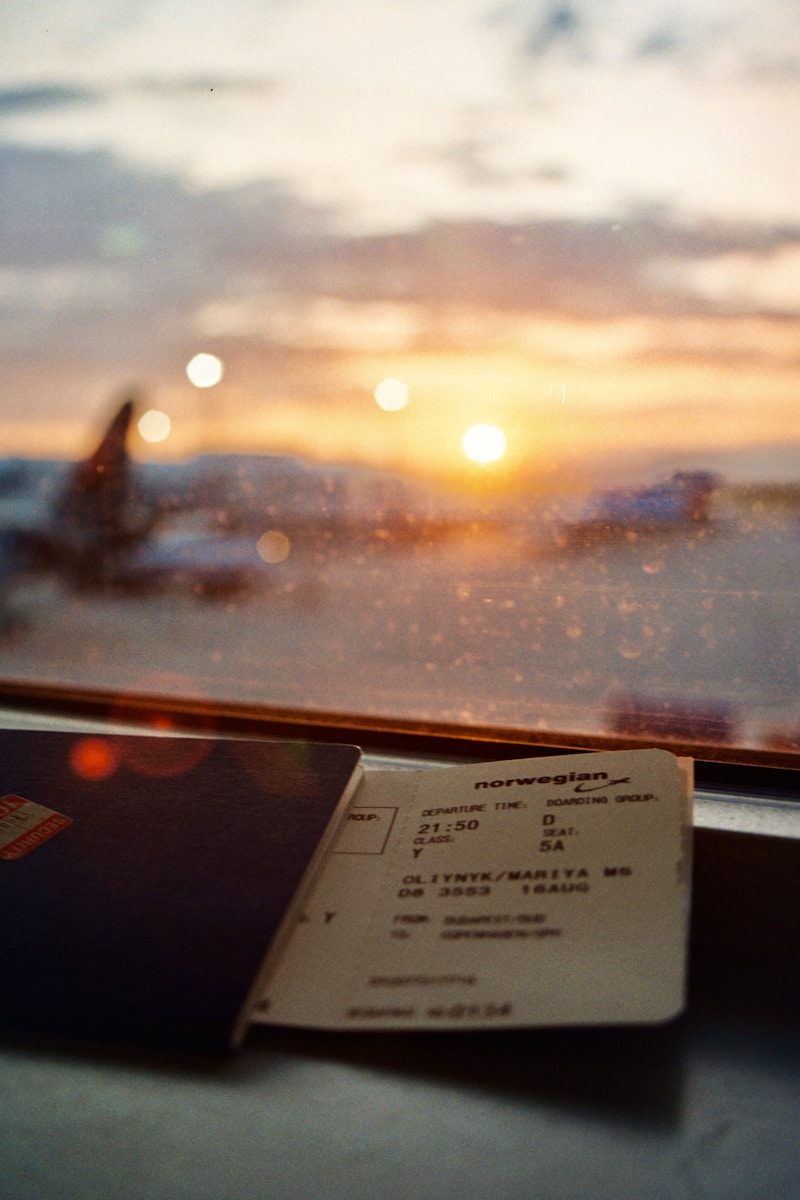
One of the most important items to bring is, of course, your ticket. While this may sound obvious, many people overlook the importance of checking their tickets before leaving home. If your ticket is digital, make sure it is downloaded or saved on your phone in case internet access is limited at the venue. Screenshots are particularly helpful because they allow easy access without needing to load an app. If you have a physical ticket, store it somewhere safe where it won’t get bent or damaged. Keeping it in a wallet or small protective sleeve can prevent unnecessary stress when entering the venue.
Equally important is proper identification. Some events require ID verification, especially if the ticket was purchased under a specific name or if the event has age restrictions. Carrying a valid ID can save time at the entrance and prevent unexpected issues. In addition, venues serving alcohol often require identification for age verification, so bringing an ID ensures you won’t run into unnecessary complications later.
Another essential item is a portable phone charger or power bank. Ticketed events often last several hours, and phones tend to drain quickly when used for photos, videos, navigation, or communicating with friends. A portable charger allows you to stay connected and capture memories without worrying about your phone battery dying midway through the event. It can also be useful if your digital ticket needs to be displayed again when leaving and reentering certain areas of the venue.
Comfort should also be a priority. Depending on the type of event, bringing a few comfort-related items can significantly enhance your experience. For outdoor events, sunscreen and sunglasses are highly recommended, especially during daytime festivals or sporting events. A light jacket or sweater can be helpful for evening events when temperatures drop. If the event involves standing for long periods, comfortable shoes are essential. While shoes aren’t something you pack in a bag, they play a huge role in determining how enjoyable the event will be.
Many seasoned event-goers also recommend carrying a small bag with essentials like tissues, hand sanitizer, and wet wipes. Large crowds and busy venues mean that facilities may run out of supplies quickly, so having your own hygiene items can make a big difference. Hand sanitizer is particularly useful after touching shared surfaces like railings, seats, or concession counters.
Hydration is another factor that is often overlooked. While many venues sell drinks, lines can be long and prices high. Some venues allow sealed water bottles or empty reusable bottles that can be filled inside. Checking the venue’s policy beforehand can help you stay hydrated without unnecessary expense. Staying hydrated is especially important at outdoor events, festivals, and concerts where crowds and heat can quickly lead to dehydration.
For those attending events with friends or family, planning ahead for communication is also helpful. Large venues can make it difficult to find each other if someone gets separated. Before entering, agree on a meeting point in case phones lose signal or batteries die. Some people also write down important contact numbers or meeting locations on a small piece of paper as a backup plan.
Money and payment options should also be considered. Many venues have shifted toward cashless systems, while others still accept both cash and cards. Bringing a small amount of cash can be helpful for quick purchases like merchandise, snacks, or parking fees. At the same time, having a debit or credit card ensures you are prepared for vendors that don’t accept cash.
Another practical item to bring is ear protection, particularly for concerts or motorsport events. Loud environments can be overwhelming and potentially harmful to hearing over time. Simple foam earplugs can make the sound levels more comfortable while still allowing you to enjoy the performance. This is especially important for children or individuals sensitive to loud noise.
If you plan to take photos or videos, make sure your phone or camera is ready. Cleaning your camera lens beforehand can improve photo quality, and freeing up storage space ensures you won’t run out of room halfway through the event. However, it’s also worth remembering that constantly filming can distract from the experience. Sometimes the best memories come from simply enjoying the moment rather than recording every second.
Checking the venue’s rules before packing your bag is also a smart move. Many ticketed events have strict guidelines about what is allowed inside. Large bags, professional cameras, outside food, or certain accessories may be prohibited. Knowing the rules in advance can prevent delays at security checkpoints and avoid the frustration of having to discard items at the entrance.
Weather preparation can also play a major role in determining how enjoyable an event becomes. For outdoor venues, a compact rain poncho or small umbrella can save the day if unexpected rain arrives. Unlike bulky rain gear, lightweight ponchos are easy to carry and take up very little space. Being prepared for weather changes means you can stay comfortable regardless of the forecast.
Another item worth considering is a small notebook or program guide if the event involves multiple performances, speakers, or activities. Conferences, conventions, and festivals often have packed schedules, and having a simple way to track your favorite sessions can help you make the most of your time. Some people prefer using event apps on their phones, but having a physical reference can sometimes be faster and more convenient.
Snacks may also be helpful, especially if the event lasts several hours. While many venues restrict outside food, some allow small sealed snacks. Energy bars, trail mix, or crackers can provide a quick boost if food lines are long or meal options are limited. Again, reviewing venue policies beforehand ensures you avoid bringing prohibited items.
Finally, one of the most valuable things you can bring to any event is the right mindset. Ticketed events are about enjoying a shared experience with others who share similar interests. Being patient with crowds, respectful of fellow attendees, and open to new experiences can significantly enhance the overall atmosphere. Sometimes unexpected delays or changes occur, but approaching the situation with a positive attitude helps maintain the excitement and enjoyment of the event.
Preparation does not require overpacking or carrying unnecessary items. Instead, it involves bringing the essentials that improve comfort, convenience, and peace of mind. A ticket, identification, portable charger, comfortable clothing, hygiene items, hydration options, and awareness of venue policies can make all the difference between a stressful outing and an unforgettable experience.
In the end, ticketed events are meant to be enjoyed. Whether you’re attending a music festival with thousands of fans, watching your favorite sports team compete, or experiencing a live theater performance, thoughtful preparation ensures that you can focus on the moment rather than worrying about what you forgot. With the right items in hand and a little planning beforehand, you can step into the event ready to fully enjoy everything it has to offer.