
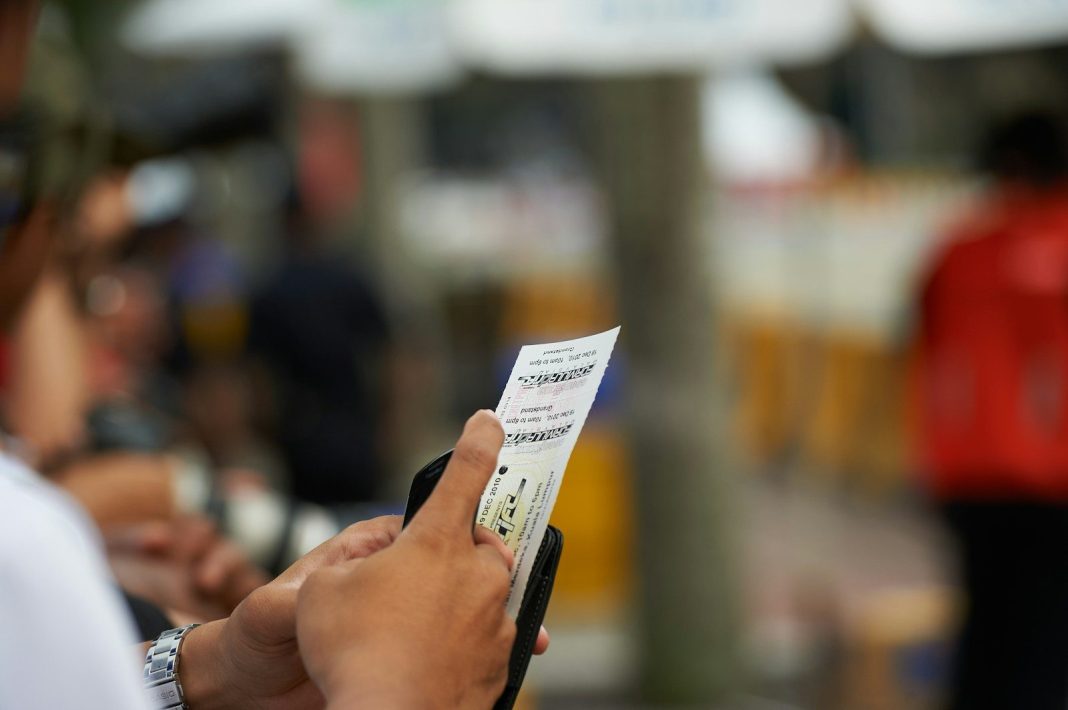
Not long ago, attending a concert, boarding a flight, or entering a stadium meant one thing: a printed ticket in your hand. It was something you could fold, tuck into your wallet, or pin to a corkboard after the event as a keepsake. Today, that experience has shifted dramatically. With smartphones now central to everyday life, mobile tickets have become the default for many events. Yet, printed tickets haven’t disappeared—they’ve simply taken on a different role.
So which is better: mobile tickets or printed ones? The answer isn’t as simple as choosing one over the other. Each option carries its own advantages, limitations, and subtle emotional value. The “better” choice often depends on context, habits, and what kind of experience you want from the event itself.
The Rise of Mobile Tickets
Mobile tickets have grown in popularity for a reason: convenience. With just a few taps, a ticket can be purchased, stored, and presented without ever touching paper. For many people, this feels like a natural extension of how they already manage their lives—through apps, emails, and digital wallets.
One of the biggest strengths of mobile tickets is accessibility. There’s no need to worry about forgetting your ticket at home or misplacing it in a crowded bag. As long as your phone is with you—and charged—you have your ticket. Many platforms even allow offline access or screenshots, reducing reliance on internet connectivity at the venue.
Mobile tickets also integrate seamlessly with modern event systems. QR codes and barcodes can be scanned quickly, speeding up entry lines. For large events where thousands of people arrive at once, this efficiency matters. It reduces congestion and helps venues manage crowds more smoothly.
There’s also an environmental angle. Digital tickets eliminate the need for paper, printing, and physical distribution. While this might seem like a small change on an individual level, the cumulative impact across millions of events is significant.
The Hidden Strengths of Printed Tickets
Despite the convenience of digital options, printed tickets still hold their ground—and not just out of nostalgia. For many people, a physical ticket offers a sense of certainty that digital alternatives can’t always match.
A printed ticket doesn’t run out of battery. It doesn’t depend on signal strength. It doesn’t glitch or freeze at the worst possible moment. In situations where technology fails—whether due to poor connectivity, app errors, or device issues—a paper ticket can feel like a reliable backup.
There’s also something tangible about holding a ticket in your hand. It makes the event feel more real, more immediate. For collectors or sentimental attendees, printed tickets often become souvenirs. They’re tucked into scrapbooks, framed on walls, or rediscovered years later as reminders of meaningful experiences.
In contrast, digital tickets tend to disappear into the endless scroll of a phone. Once the event is over, they’re often forgotten, buried under newer emails or app updates.
Reliability in Real-World Situations
When comparing mobile and printed tickets, reliability is often where opinions diverge most strongly.
Mobile tickets rely on technology functioning correctly. This includes your phone’s battery, screen brightness, and sometimes internet access. While most systems are designed to work offline, not all users prepare in advance. A dead phone at the entrance gate can quickly turn a smooth experience into a stressful one.
Printed tickets, on the other hand, are immune to technical failures but vulnerable in different ways. They can be lost, damaged, or forgotten. A spilled drink or a crumpled barcode can render them unreadable. Unlike digital tickets, they usually can’t be replaced instantly without contacting the issuer.
In practice, both formats carry risk—just different types. Mobile tickets depend on digital reliability, while printed tickets depend on physical care.
Security and Fraud Considerations
Security is another area where the two formats differ. Mobile tickets often include dynamic features such as rotating QR codes or time-sensitive barcodes, making them harder to duplicate or resell fraudulently. Some systems even tie tickets to specific user accounts, adding an extra layer of verification.
Printed tickets, especially traditional ones, can be more vulnerable to duplication. A copied barcode or counterfeit print can sometimes slip through, particularly at smaller venues with less advanced scanning systems.
However, digital systems are not immune to issues. Phishing scams, fake ticketing apps, and unauthorized resales can still affect mobile ticket users. The difference is that digital fraud tends to occur before the event, while printed ticket issues often appear at the point of entry.
Flexibility and Transferability
Mobile tickets excel when it comes to flexibility. Transferring a ticket to a friend can often be done instantly through an app. If plans change, you can send the ticket without needing to meet in person or rely on physical delivery.
Printed tickets, by contrast, require more coordination. Handing off a ticket means physically giving it to someone else, which can be inconvenient if schedules don’t align.
However, this same flexibility can sometimes create complications. Digital transfers may be restricted by platform rules, and not all systems allow easy resale or sharing. Printed tickets, once handed over, are simple and final—there’s no login or verification required.
The Experience Factor
Beyond practicality, there’s an emotional dimension to consider. How you receive and carry your ticket can shape how the event feels.
Mobile tickets are efficient, but they’re also somewhat invisible. They exist quietly on your device, waiting to be used. For some, this simplicity is ideal. It removes friction and keeps the focus on the event itself.
Printed tickets, on the other hand, often feel ceremonial. Receiving them—whether by mail or at a box office—builds anticipation. Holding them creates a sense of occasion. It’s a small ritual that adds texture to the overall experience.
This difference might seem minor, but it reflects a broader shift in how people interact with events. As more aspects of life become digital, physical items sometimes gain emotional value simply because they are less common.
Accessibility and Inclusivity
Another important consideration is accessibility. Not everyone has equal access to smartphones or feels comfortable using digital systems. For some attendees, printed tickets remain the more straightforward and inclusive option.
Older individuals, those with limited technological experience, or people without reliable devices may find paper tickets easier to manage. In these cases, offering printed options ensures that events remain accessible to a wider audience.
At the same time, mobile tickets can be more convenient for people who rely heavily on digital tools. Features like screen readers, adjustable text sizes, and integrated navigation can enhance accessibility for certain users.
The Hybrid Approach
Increasingly, the question isn’t about choosing one format over the other—it’s about combining both. Many experienced event-goers use mobile tickets as their primary option while keeping a backup plan.
This might mean taking a screenshot of the ticket, saving a PDF, or even printing a copy just in case. The goal is not to commit fully to one format but to reduce risk by preparing for multiple scenarios.
Event organizers are also adopting hybrid approaches. Some allow both mobile and printed tickets, giving attendees the freedom to choose what works best for them.
So, Which Is Better?
The answer ultimately depends on priorities.
If convenience, speed, and flexibility matter most, mobile tickets are hard to beat. They fit seamlessly into modern life and make the entire process—from purchase to entry—more efficient.
If reliability, tangibility, and emotional value are more important, printed tickets still have a strong appeal. They offer a sense of permanence and independence from technology that digital formats can’t fully replicate.
Rather than viewing one as superior, it may be more useful to see them as complementary. Each format serves a different purpose, and the best choice often depends on the specific event, environment, and personal preference.
Final Thoughts
The shift from printed tickets to mobile ones reflects a broader change in how we experience the world. Convenience and efficiency have become central, but they sometimes come at the cost of physical connection and tradition.