
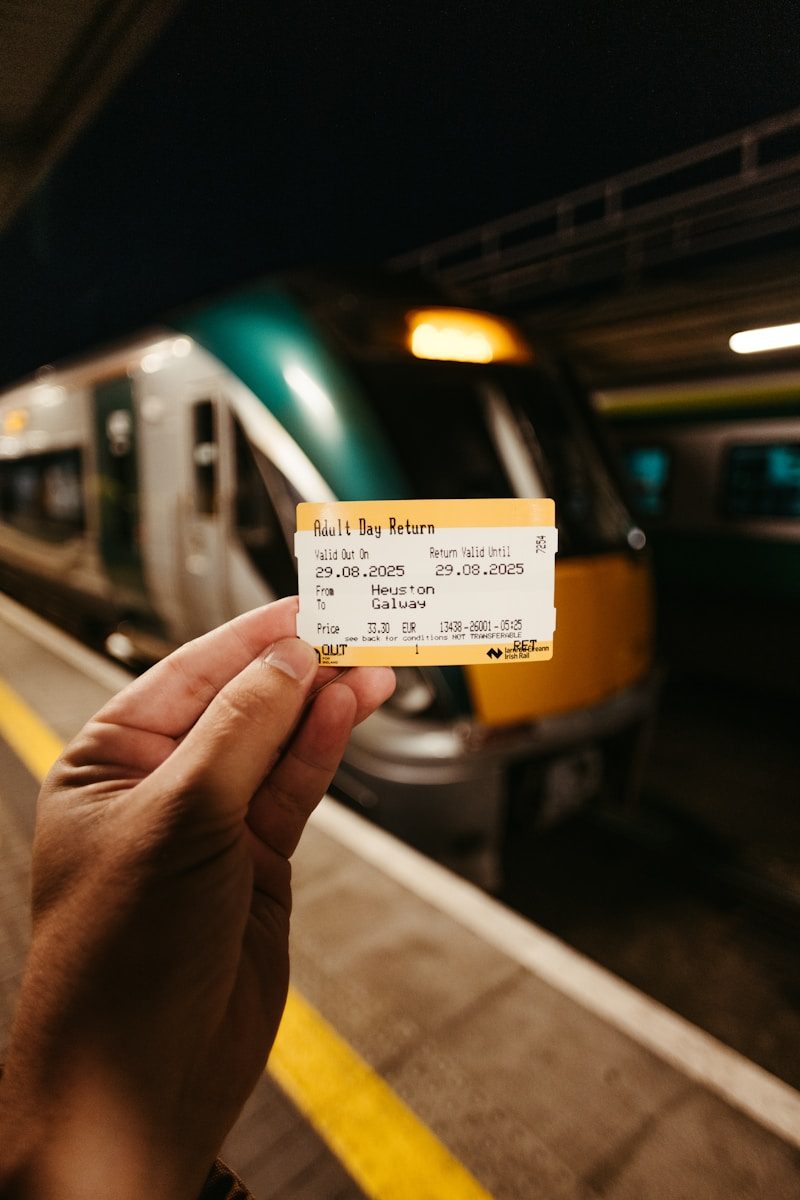
Buying a ticket used to be simple. You either got one from the box office or you didn’t go. Today, the process is far more fluid. Sold-out events no longer mean the end of the road, thanks to ticket resale platforms that connect buyers and sellers in real time. While this has opened doors for millions of fans, it has also introduced a new concern: safety.
Not all resale platforms operate the same way, and for buyers, the differences can matter more than the price. Behind every listing is a question—can this ticket be trusted? Understanding how various platforms handle verification, payments, and disputes is key to making a safe purchase.
At the heart of ticket resale safety is authenticity. The biggest fear for any buyer is ending up with a ticket that doesn’t work at the gate. Established resale platforms have invested heavily in systems that reduce this risk. Many of them guarantee that tickets are valid or offer refunds if something goes wrong. This kind of protection has become a baseline expectation, but how it is implemented varies widely.
Some platforms operate as fully managed marketplaces. In these systems, the platform acts as an intermediary, holding the ticket and releasing it to the buyer only after the transaction is confirmed. This reduces the chances of fraud because sellers cannot simply upload fake listings without consequences. These platforms often use digital ticket transfers, ensuring that ownership is updated securely within official systems.
Other platforms function more like open marketplaces. Here, sellers list tickets directly, and buyers purchase them with limited oversight. While these platforms may offer lower prices or a wider range of listings, they often place more responsibility on the buyer to verify legitimacy. Safety measures may still exist, but they tend to rely on post-purchase protections rather than preventing issues upfront.
Verification processes are another major differentiator. Some resale platforms require sellers to provide proof of purchase or link their listings to official ticketing accounts. This creates a chain of trust that makes it harder for counterfeit tickets to enter the system. In contrast, less regulated platforms may allow listings with minimal verification, increasing the risk of invalid tickets slipping through.
Payment security also plays a crucial role in overall safety. Trusted platforms typically use secure payment gateways and hold funds in escrow until the transaction is completed. This means sellers are only paid once the buyer has received a valid ticket. Escrow systems protect both sides, reducing the likelihood of scams. On less secure platforms, payments may be processed immediately, leaving buyers with fewer options if something goes wrong.
Refund policies are often where the true reliability of a platform becomes clear. Some companies offer comprehensive guarantees, promising refunds or replacement tickets if an issue arises. These policies provide peace of mind, especially for high-demand events where tickets can be expensive. However, not all platforms handle disputes equally. Some may require extensive documentation or take longer to resolve claims, which can be frustrating for buyers.
Timing also affects safety when using resale platforms. Purchasing tickets well in advance allows more time to address potential issues. If a problem arises, there is usually a better chance of finding a replacement. Last-minute purchases, while sometimes cheaper, leave little room for error. If a ticket turns out to be invalid just hours before an event, resolving the situation becomes significantly more difficult.
Another aspect worth considering is how platforms handle ticket transfers. Digital ticketing has become the norm, and many events now require tickets to be transferred through official apps. Platforms that integrate directly with these systems tend to offer higher levels of security. Transfers are recorded, and ownership is clearly established. On the other hand, platforms that rely on screenshots or PDFs may expose buyers to greater risk, as these formats are easier to duplicate.
Reputation plays a significant role in evaluating resale platforms. Established companies often have years of experience and large user bases, which contribute to their credibility. Reviews, ratings, and user feedback can provide valuable insight into how a platform handles issues. While no platform is perfect, consistent positive feedback is usually a good indicator of reliability.
That said, newer or smaller platforms are not necessarily unsafe. Some of them introduce innovative features or cater to niche markets. However, buyers should approach these platforms with a bit more caution, especially if they lack a track record. Checking for clear policies, secure payment options, and responsive customer support can help assess their trustworthiness.
Customer support is often overlooked but becomes critical when something goes wrong. Platforms that offer accessible and responsive support channels tend to resolve issues more efficiently. Whether it’s live chat, phone support, or email assistance, the ability to reach a real person can make a significant difference in stressful situations. Platforms with limited or slow support may leave buyers feeling stranded if problems arise.
Interestingly, pricing itself can sometimes signal safety levels. Deals that seem too good to be true often are. While legitimate discounts do exist, unusually low prices can indicate potential fraud. Comparing listings across multiple platforms can help identify reasonable price ranges and avoid suspicious offers.
Another emerging factor in resale safety is the use of technology such as blockchain. Some platforms are experimenting with blockchain-based tickets that create a transparent and tamper-resistant record of ownership. While still not widespread, this approach has the potential to significantly reduce fraud by making it nearly impossible to duplicate or alter tickets.
Social media and informal resale channels add another layer of complexity. Buying tickets directly from individuals through messaging apps or online forums can be risky, as these transactions often lack any form of protection. While some buyers successfully find deals this way, the absence of guarantees makes it a gamble. Compared to structured resale platforms, these channels offer convenience at the cost of security.
Geography can also influence how resale platforms operate. Regulations vary from one country to another, affecting how tickets can be resold and what protections are required. In some regions, strict rules limit price markups or require platforms to provide certain guarantees. In others, the market is more loosely regulated, placing greater responsibility on buyers to ensure safety.
For many users, the ideal resale platform strikes a balance between convenience, price, and protection. A slightly higher price may be worth it if it comes with strong guarantees and reliable support. Conversely, chasing the lowest possible price can increase the likelihood of encountering problems.
It’s also important to recognize that safety is not solely the responsibility of the platform. Buyers play a role as well. Taking time to review listings, understanding the terms of purchase, and avoiding rushed decisions can significantly reduce risks. Simple steps, such as verifying event details and ensuring that tickets are transferable through official channels, can make a big difference.
Comparing ticket resale platforms ultimately comes down to understanding how each one manages risk. Some prioritize strict control and verification, creating a more secure environment. Others emphasize flexibility and volume, offering a wider range of options but with varying levels of protection. Neither approach is inherently better—it depends on what the buyer values most.
In a world where live events continue to grow in popularity, resale platforms have become an essential part of the ticketing ecosystem. They provide access where none existed before, allowing fans to attend events that would otherwise be out of reach. At the same time, they require a level of awareness and caution that traditional ticket purchasing did not.
Choosing the right platform is not just about finding a ticket—it’s about ensuring that the experience begins without unnecessary stress. By understanding how different platforms operate and what safeguards they offer, buyers can navigate the resale market with greater confidence.
In the end, safety in ticket resale is built on a combination of technology, policies, and informed decision-making. While no system is completely risk-free, the right approach can make the difference between a smooth entry and a disappointing outcome. And when the lights dim and the event begins, that peace of mind is worth far more than any discount.